When Migrations Stall, Blame Metadata — Not the Pipeline
Why do so many data migrations end up taking twice as long as planned?
Date
Author
Carter Phan
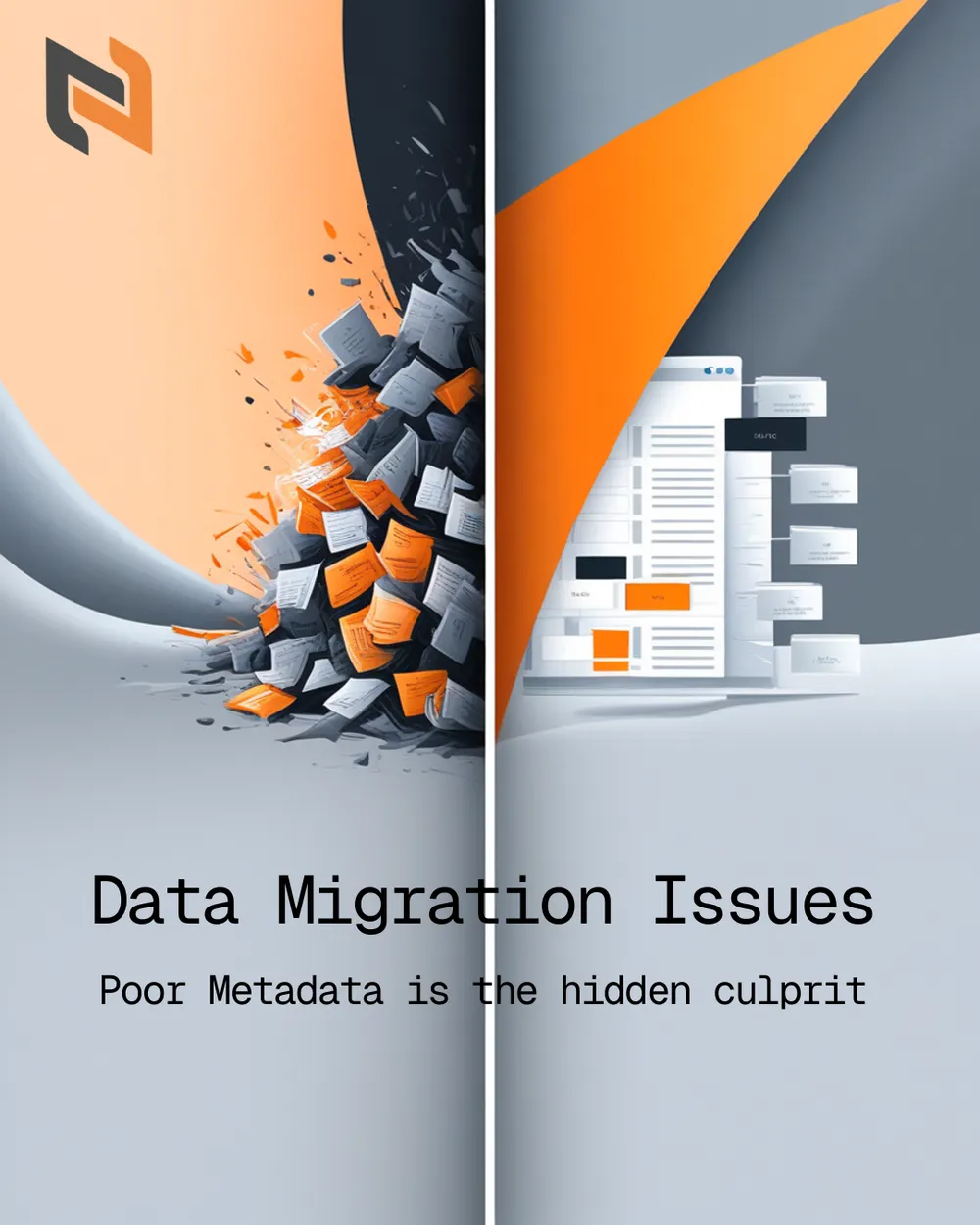
Why do so many data migrations end up taking twice as long as planned?
It’s rarely the pipeline.
It’s usually the data itself or rather, that no one truly knows what the data means.
We’ll optimize Airbyte configs, tune dbt models, and spin up Snowflake warehouses, but skip the basics:
-
No data dictionary
-
Inconsistent labels and field names
-
Outdated schema documentation
-
Missing lineage tracking
Then, halfway through the migration, we realize half our time is spent decoding column names and guessing intent.
That’s not engineering, that’s archaeology.
Good metadata management and data labeling aren’t “extra documentation.”
They’re what turn chaotic migrations into repeatable processes.
A clean data catalog, consistent schemas, and clear definitions save you hours of reverse-engineering and debugging later.
If you’re planning a migration, start with your definitions.
Then move your data.
The difference isn’t subtle, it’s the difference between firefighting and engineering.
.B994nPtL_1ELIkU.webp)

